

International Women in Engineering Day (June 23rd) is a chance to recognise the women whose expertise, innovation and determination continue to drive engineering forward.
This year’s theme, Engineering Intelligence, celebrates the knowledge, creativity and problem-solving skills that engineers bring to their work every day. Across electronics manufacturing and the wider engineering profession, women are applying those skills to solve complex challenges, improve quality, develop new technologies and inspire future generations.
Despite engineering historically being viewed as a male-dominated profession, women have played a vital role in shaping the industry for decades. Their achievements can be found throughout the history of technology and their influence continues to be felt across every part of the engineering world today.
What Does Engineering Intelligence Mean?
Engineering intelligence is often associated with technical expertise, but it goes far beyond that. It is the ability to solve problems, challenge assumptions, think creatively and turn ideas into practical solutions.
Women around the world have demonstrated these qualities throughout the history of engineering, on top of overcoming barriers that made it more difficult for them to enter and progress within the profession.
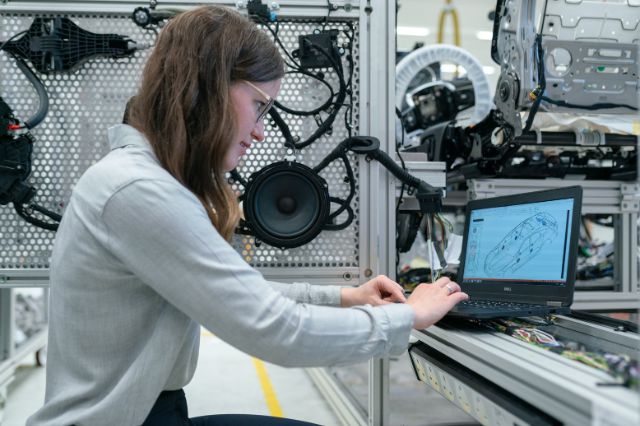
Today, women working in electronics manufacturing are leading projects, improving processes, maintaining quality standards, designing products, training teams and helping organisations solve some of their most challenging technical problems.
Engineering intelligence is not defined by job title, gender or background. It is demonstrated every day by people who use their knowledge and experience to make things better, safer and more effective.
Women Who Have Helped Shape Engineering
Many of the technologies we rely on today would not exist without the work of pioneering women engineers and inventors.
Hedy Lamarr invented frequency-hopping technology, a breakthrough that became a foundation for modern wireless communications, including Wi-Fi, Bluetooth and GPS.
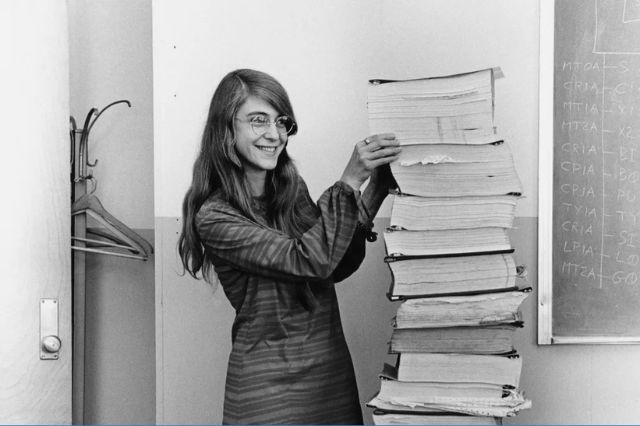
Margaret Hamilton (pictured below) led the team responsible for developing the onboard flight software used during the Apollo missions. Her work was instrumental in helping Apollo 11 successfully land on the Moon and helped establish software engineering as a recognised discipline.
Stephanie Kwolek invented Kevlar, one of the strongest and most widely used synthetic materials in the world. Today it is used in everything from aerospace applications to protective equipment.
Their achievements changed industries, advanced technology and opened doors for future generations of women entering engineering careers.
Supporting the Next Generation of Electronics Professionals
While it is important to celebrate famous names from engineering history, it is equally important to recognise the women making an impact within the industry today.
At The Electronics Group, one of those people is our Master IPC Trainer, Claire.
Claire has an extensive background of working within the electronics industry and for the last five years that Claire has been with us, she has played an incredibly valuable role in helping electronics professionals develop their skills, gain certifications and build confidence in their abilities. Through her expert training and guidance, she has supported delegates from an enormous range of companies and backgrounds, helping them improve their understanding of industry standards and best practices.
Training is often overlooked when discussing engineering achievements, yet knowledge sharing plays such an important role in developing the skilled workforce our industry depends on.
Every delegate who leaves a course with greater confidence, improved technical knowledge and a better understanding of quality standards, takes that learning back into their workplace. The impact of good training extends far beyond the classroom.
Claire’s commitment to developing others is a great example of Engineering Intelligence in action. Using her expertise and experience to help others succeed.
The Importance of Role Models in Engineering
For many women working in engineering today, seeing other women succeed in the profession played an important role in their own career journey.
The women who have come before, help challenge outdated stereotypes about who belongs in engineering and what an engineer looks like. They provide visible examples of what is possible and encourage others to pursue opportunities they may not have previously considered.
The electronics industry offers a huge variety of career paths, from manufacturing and quality to design, inspection, testing and technical training. The more visible women become across these areas, the easier it becomes for others to imagine themselves following a similar path.
Representation alone is not the solution to the skills challenges facing engineering, but it is an important part of creating a profession that attracts talent from every background.
Supporting the Future of Women in Electronics Manufacturing
The future of engineering depends on attracting and developing skilled people who can solve problems, adapt and innovate.
Encouraging more women to explore careers in engineering is not simply about improving diversity figures. It is about ensuring the industry benefits from the widest possible range of perspectives, experiences and ideas.
Across electronics manufacturing, women are already making significant contributions as engineers, inspectors, trainers, managers, designers and technical specialists. Their expertise helps businesses develop products and maintain the high standards that the industry demands.
This International Women in Engineering Day, we celebrate the women who continue to shape the future of engineering through their knowledge and leadership.
From pioneers such as Hedy Lamarr, Margaret Hamilton and Stephanie Kwolek to professionals like our very own Claire who are helping develop the next generation of electronics talent, their achievements deserve to be recognised and celebrated.